
Best First Gloves
Best Boxing Gloves for Beginners: Sized by Weight and Use
Seven first pairs sized by body weight: a safe default, a premium wrist, a budget pair and the ones to skip.
Top pickEverlast Elite Boxing Gloves
Hub 02 · Gloves
Gloves are the first thing you buy and the easiest thing to buy wrong. Here they are sized by body weight and by what you'll do in them — bag work, pad work, or sparring.
Bag & Bell is reader-supported. Product links go through our affiliate resolver and we may earn a commission from qualifying purchases at no cost to you. Prices are the retailer's and change — every button opens the live price on Amazon rather than showing a stale number.
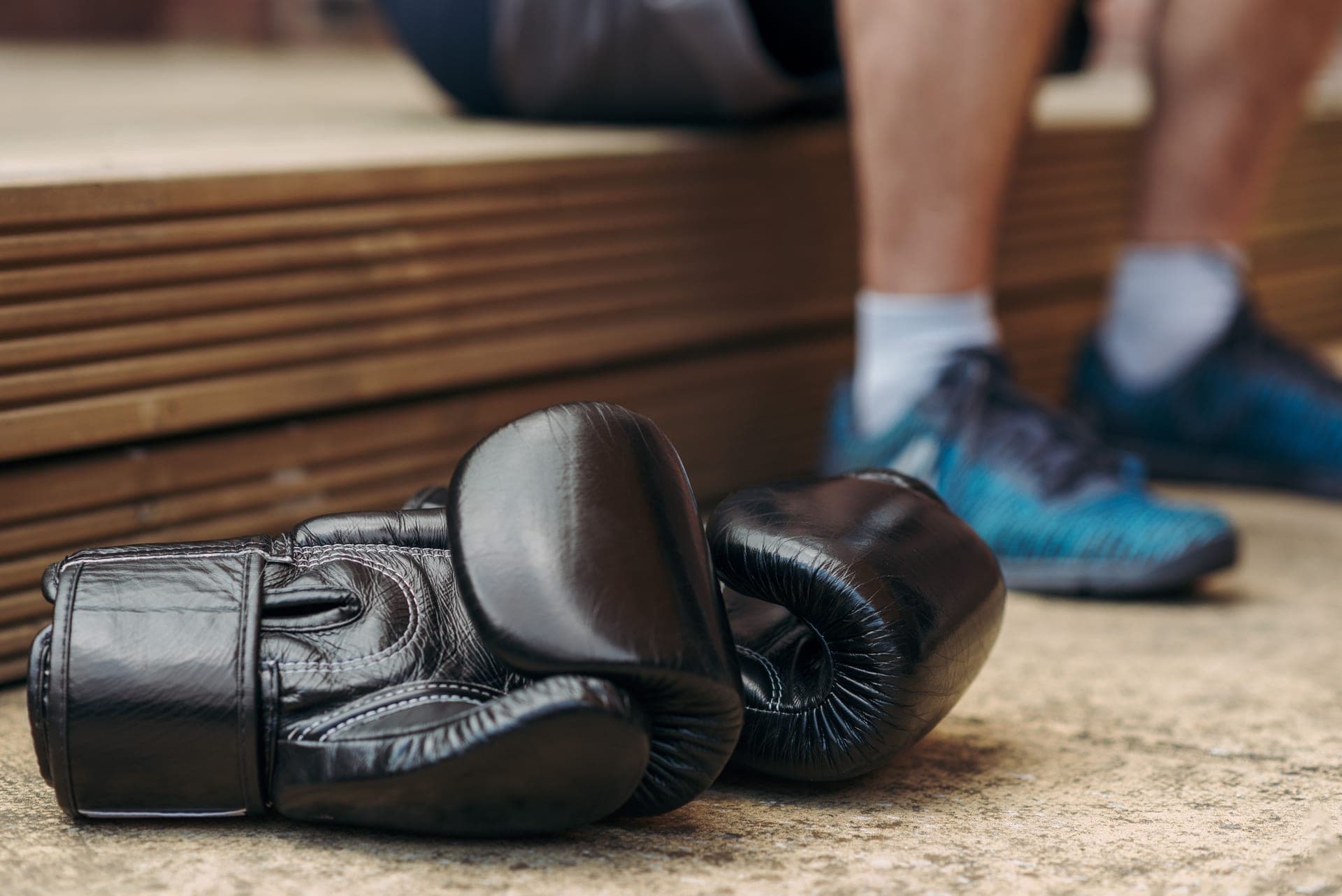
One pair of 14 oz or 16 oz hook-and-loop gloves, sized by your body weight, is the safe default for almost every adult starting at home. Under about 150 lb, 12 oz to 14 oz works for bag work; 150 lb to 180 lb, 14 oz to 16 oz; over 180 lb, 16 oz. If you know you will spar within a few months, buy 16 oz now so you don't buy twice. The size chart lays this out by weight, use and age, and the beginner roundup names the pairs.
By use: bag gloves have denser, thinner padding for hitting a heavy bag; training or sparring gloves have softer, thicker padding to protect a partner. A beginner's first pair should be a training glove that works for both, which is why the ounce weight matters more than the label. The bag vs sparring page explains the difference in practice. By closure: hook-and-loop is the right call for anyone training alone at home (lace vs velcro). By weight: 12 vs 14 vs 16 oz is about padding thickness, not how hard you hit.
There are also picks for the people the generic lists skip: gloves for women (narrower hand compartment, lighter weights), gloves for kids (4 oz to 8 oz by age), kickboxing gloves (a more open palm for catching kicks), and gloves specifically for the heavy bag.
Leather versus synthetic, and hand-made versus molded. A synthetic (PU or engineered leather) pair from a major brand is the right first purchase: it wipes clean, needs no break-in, and lasts long enough to find out whether you will keep at it — see how long gloves last. Leather costs more and lasts years. Above that, price buys layered foam that holds its shape longer and a wrist that closes tighter; it does not buy more protection for your first month.
Buying too light. An 8 oz or 10 oz glove feels fast in the store and beats up your knuckles on a heavy bag. The second mistake is buying a size by hand length alone — glove sizes are ounces of padding, and the fit inside (S/M/L on some brands) is a separate choice. The how-to-choose guide takes you through both decisions in order, and the two head-to-heads (Venum Elite vs Hayabusa T3, Everlast vs Venum vs TITLE) compare the pairs most beginners end up choosing between.
Roundups · top pick + price on every tile
Best First Gloves
Seven first pairs sized by body weight: a safe default, a premium wrist, a budget pair and the ones to skip.
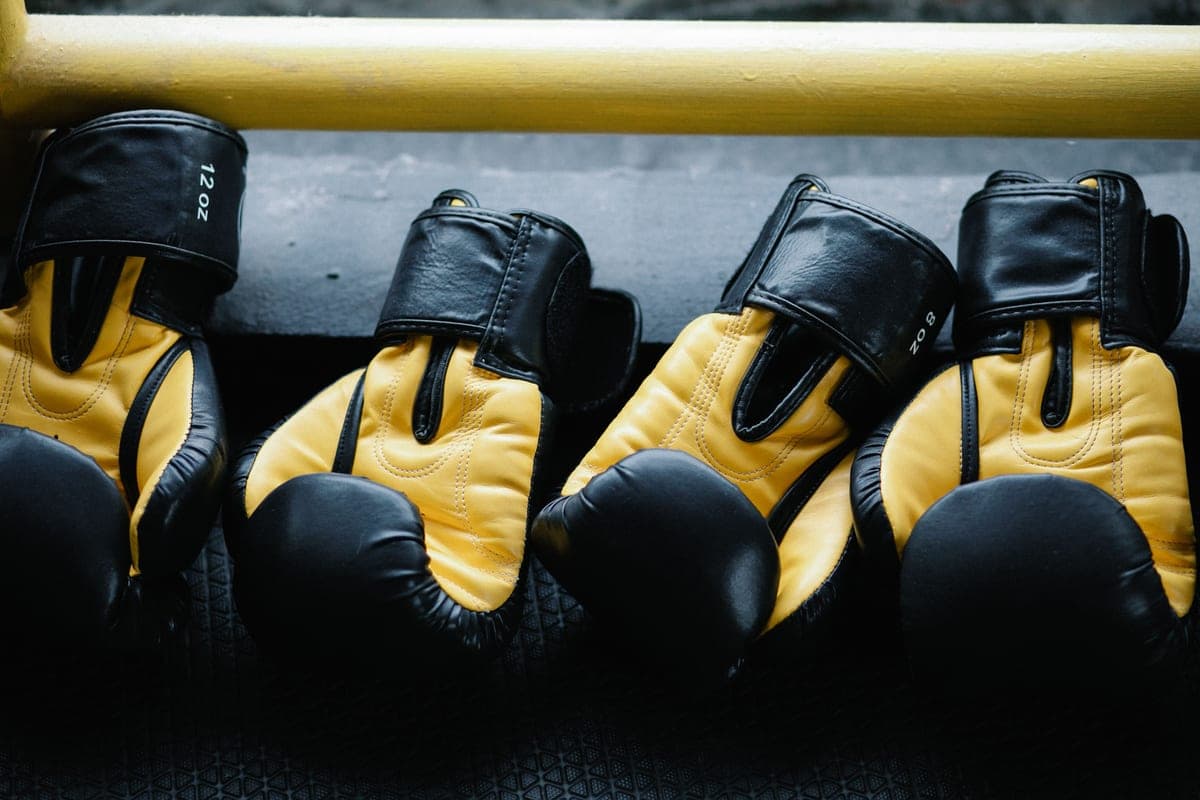
Best Bag Gloves
Dense padding and a real wrist strap for bag-only training — six picks by weight and budget.
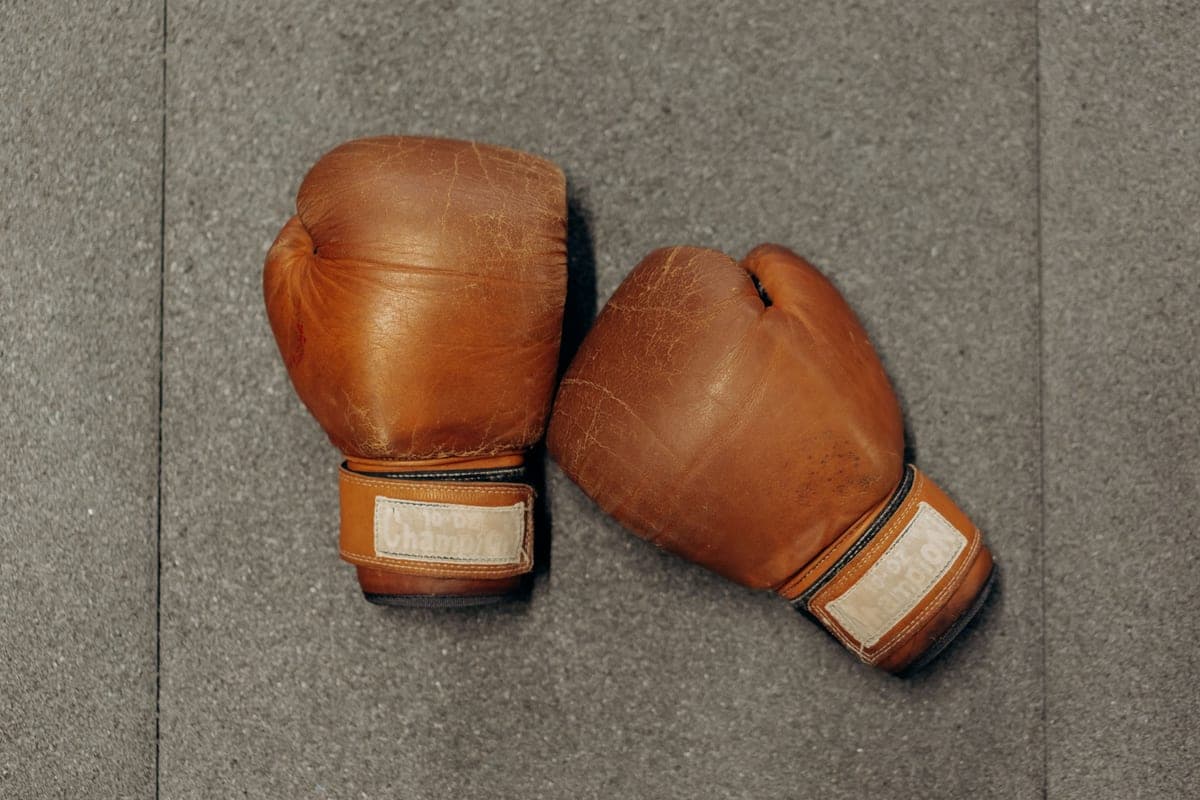
Best for Women
Gloves that come in 10 and 12 oz with a fit that suits smaller hands, sized by weight — six beginner picks.

Best Kids' Gloves
4, 6 and 8 oz gloves for kids by weight and age, from brands with a published kids' chart.
Best under $100
Entry- and mid-tier training gloves ranked by wrist and padding, not by the lowest number — check the live price.
Best Kickboxing Gloves
Muay Thai-style gloves with an open palm for catching kicks, plus the boxing gloves that work fine at home.
Comparisons and guides
Comparison
Ounces are padding, not hand size. Which weight for bag, pads and sparring, by body weight.
Comparison
Dense padding for the bag, soft padding for a partner, and the training glove that covers both to start.
Comparison
Laces fit tighter and need a second person; hook-and-loop closes alone. Which for home training.
Comparison
The T3's four-splint wrist against the Elite's lighter feel and lower price — spec by spec.
Comparison
The Powerlock OG, the Elite and the Classic Pro Style 3.0 compared on wrist, padding and weights.
Guide
The neutral, cross-brand chart: ounces by body weight, use and age, plus hand fit.
Guide
Weight, use, closure, shell — the four decisions in order, then the fit test.
Guide
What wears out, the three replace-it signs, and the drying routine that doubles a glove's life.
Next step in your kit
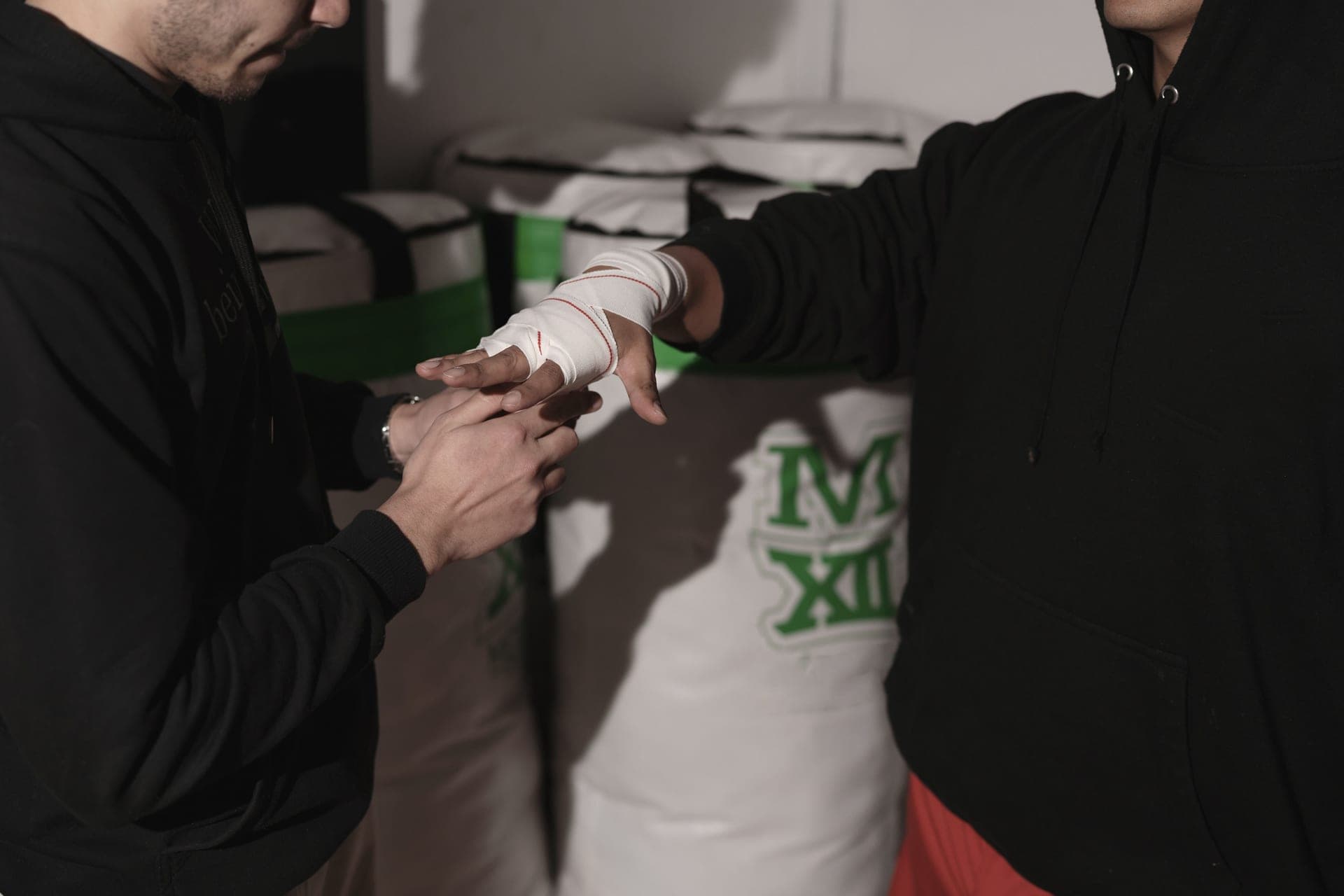
Hub 03
Wraps cost less than anything else in your kit and protect the part of you that breaks first. How to wrap, which length, and when a quick wrap is the right call.

Hub 04
The bag decides everything else: how much room you need, whether you drill a ceiling or buy a stand, and how loud the garage gets. Start with the space, then pick the bag.