Best First Kit
Boxing Equipment for Beginners: What You Need to Start at Home
The first kit in buying order — gloves, wraps, bag, mount, rope, timer, mouthguard — one pick each.
Top pickEverlast Elite Boxing Gloves
Hub 01 · Start here
The front door for anyone starting boxing or kickboxing at home: what to buy first, what it costs, how to lay out a garage, gear for kids, and the safety basics nobody explains.
Bag & Bell is reader-supported. Product links go through our affiliate resolver and we may earn a commission from qualifying purchases at no cost to you. Prices are the retailer's and change — every button opens the live price on Amazon rather than showing a stale number.
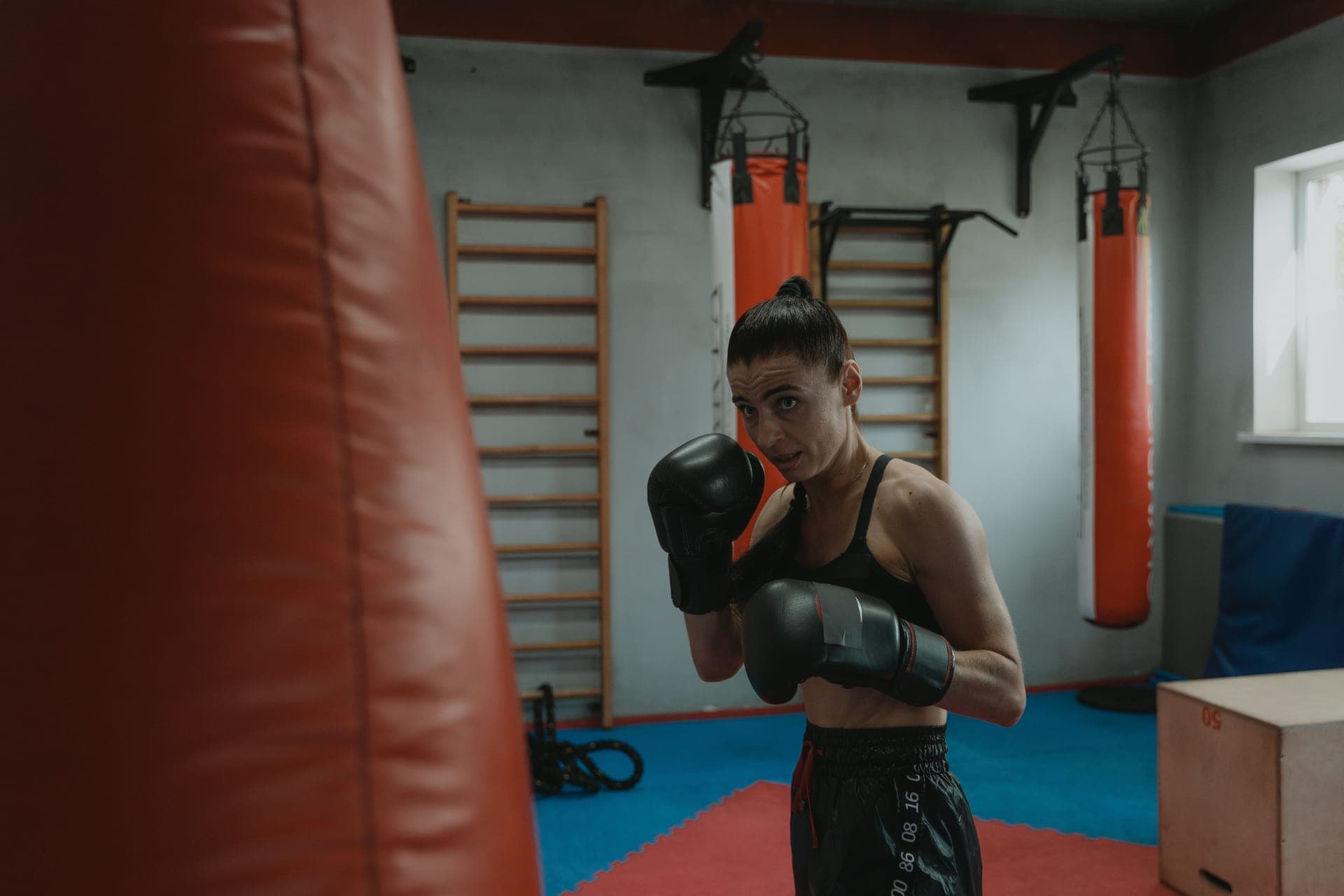
You need four things to hit a bag at home: something to hit, gloves, hand wraps, and a way to time rounds. That is the whole first kit, and it is the order to buy in. Everything else on this site — headgear, mouthguards, shin guards, a second pair of gloves — is either for sparring or for later. If you are a parent buying for a child, the list is the same, only smaller, and the kids' guide walks through the sizes.
The beginner equipment checklist is the one page to read if you read nothing else here. It lists each item, what it does, and our pick for a first setup, with the reasoning a coach would give you on day one.
Start Here is the front door. It answers the questions people ask before they have chosen a single product: how to start boxing at home (with or without equipment), what a home setup costs at three kit sizes, whether to pick boxing or kickboxing for a home setup, and how to lay out a garage so the bag swings clear of the car. Once you know what you are building, the gear hubs — Gloves, Hand Wraps, Heavy Bags, Protection, Conditioning — take each purchase one at a time.
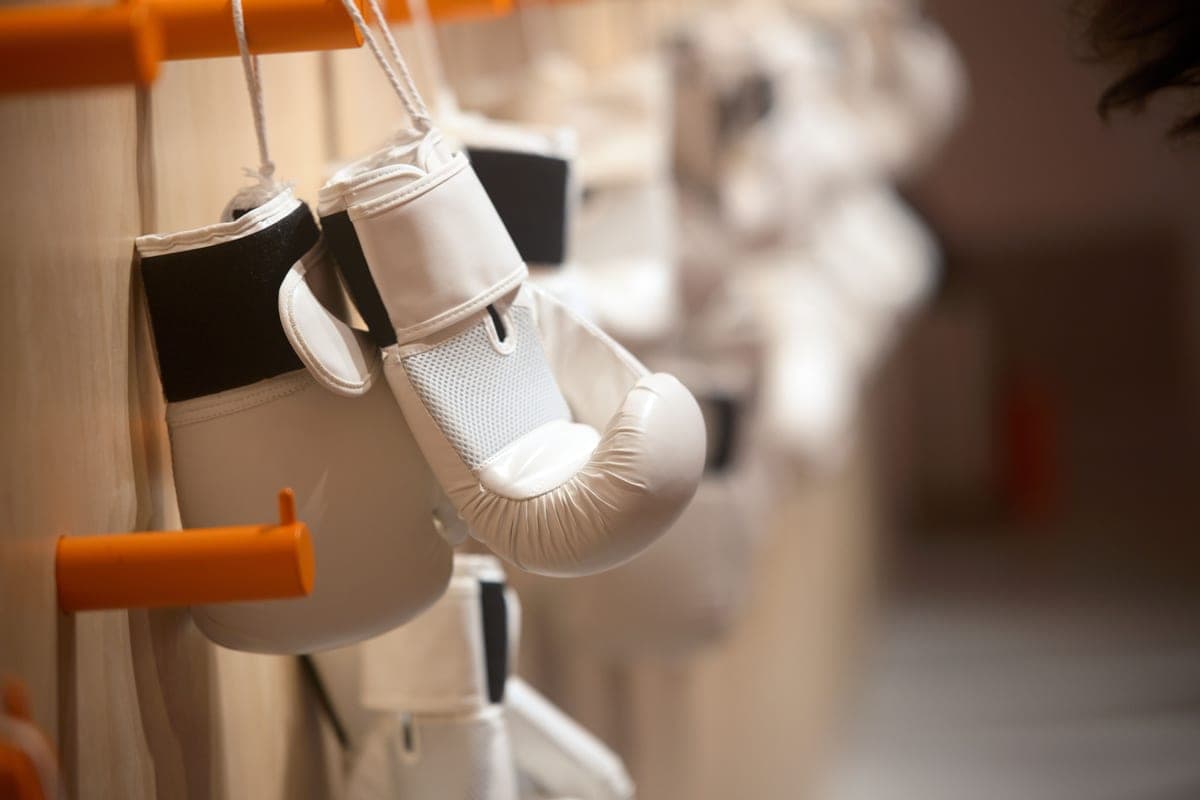
The bag. A filled hanging bag with a mount or stand is the single biggest line in a first kit, and the choice between a hanging bag and a freestanding one decides whether you are drilling into a ceiling joist or filling a base with sand. Gloves are next; a synthetic 14 oz pair covers bag work for most adults, and leather costs more because it lasts longer, not because it protects better on day one. Wraps, a rope and a timer together cost less than the gloves. We never print a dollar figure on this site — the buttons open the live Amazon price — but the cost guide describes each tier in plain terms so you know which line to spend on.
Buying a starter kit because it is one click. Some kits are fine — the starter-kit roundup names the ones whose gloves and bag are the same models sold separately — but many bundle 8 oz or 10 oz gloves that are too light for an adult on a heavy bag, a bag that is too light to stay put, and wraps you will replace in a month. The second mistake is skipping wraps because the gloves “have padding.” Wraps hold the small bones of the hand and the wrist in line; the glove foam protects the bag and your knuckle skin. Both, always.
If you are shopping for someone else, the gift guide is written for the gifter — what lands, what to check before you buy (glove weight, rope length), and what the recipient will have to add. There is also a short list under $50.
Roundups · top pick + price on every tile
Best First Kit
The first kit in buying order — gloves, wraps, bag, mount, rope, timer, mouthguard — one pick each.
Best Starter Kit
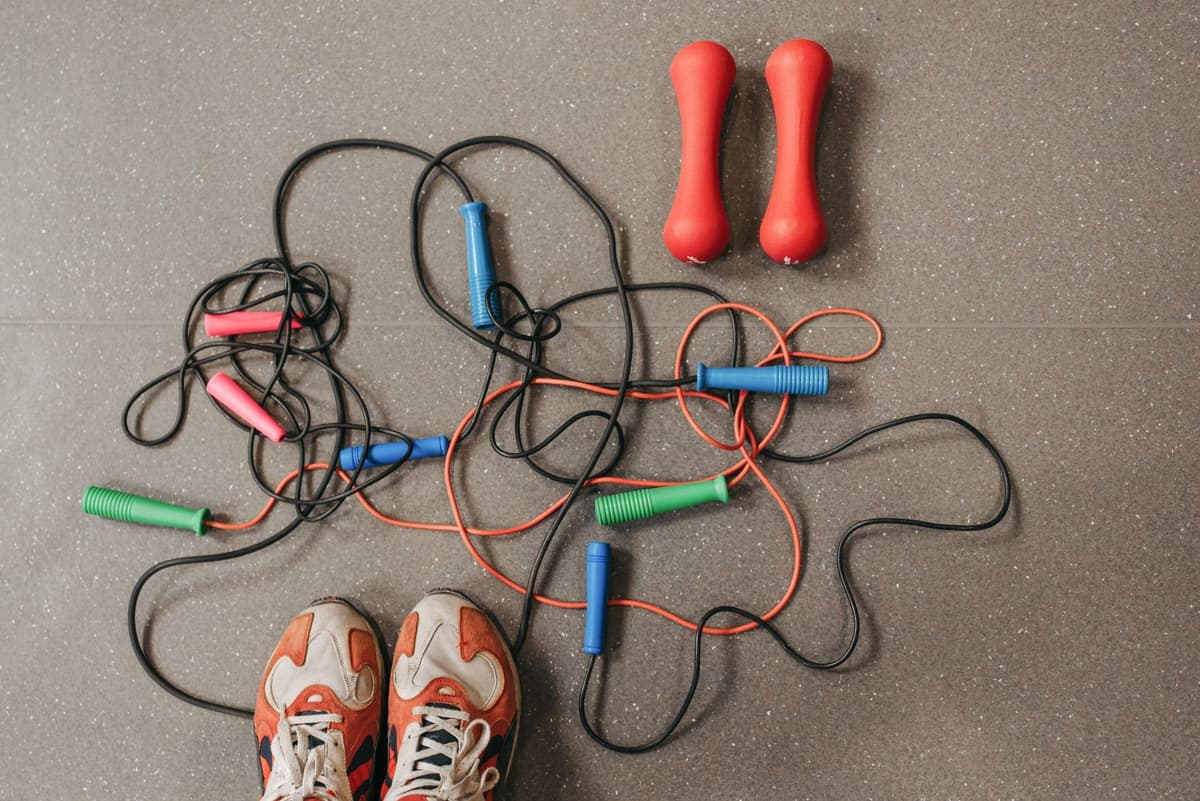
Four bag bundles ranked on what's in the box, and the rule for when separate orders beat a kit.
Best Gift Kit
Six gifts for a new boxer, written for the giver — what to check before you buy, what they'll add.
Best Gift under $50
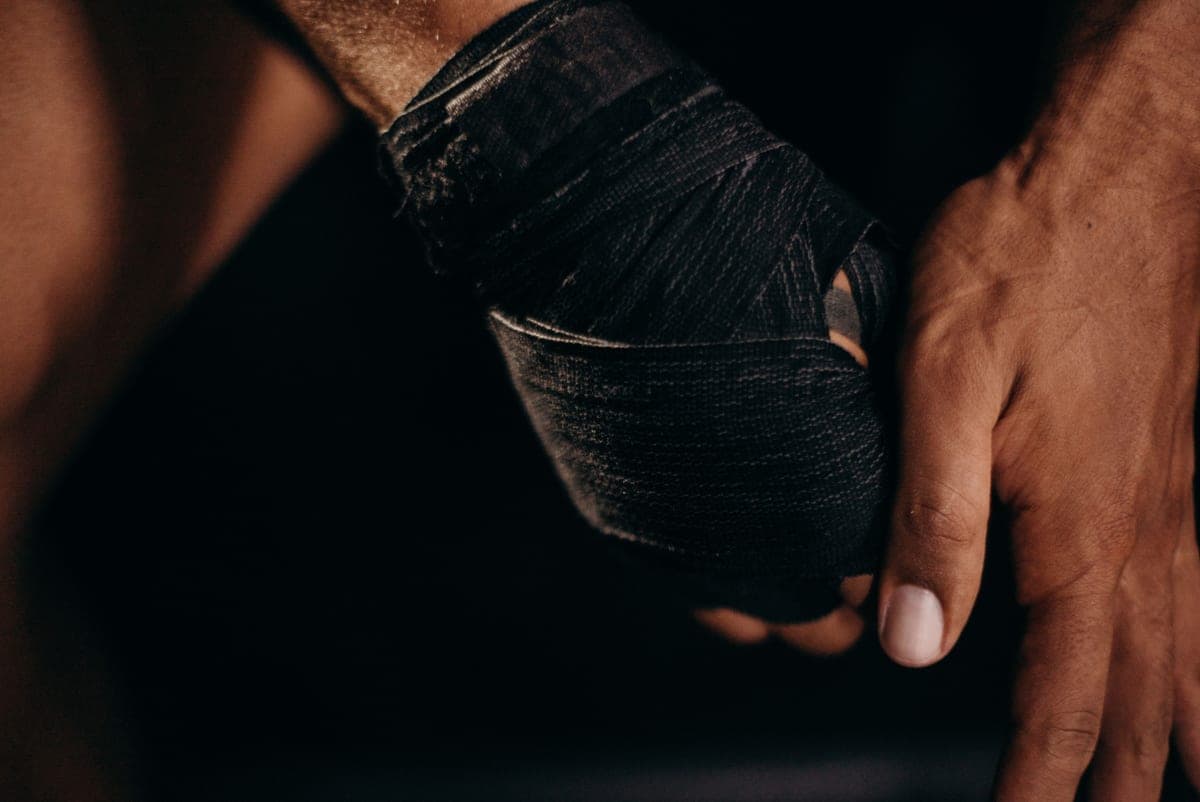
Six small gifts a beginner actually uses — wraps, rope, mouthguard, timer, swivel, budget glove.
Comparisons and guides
Comparison
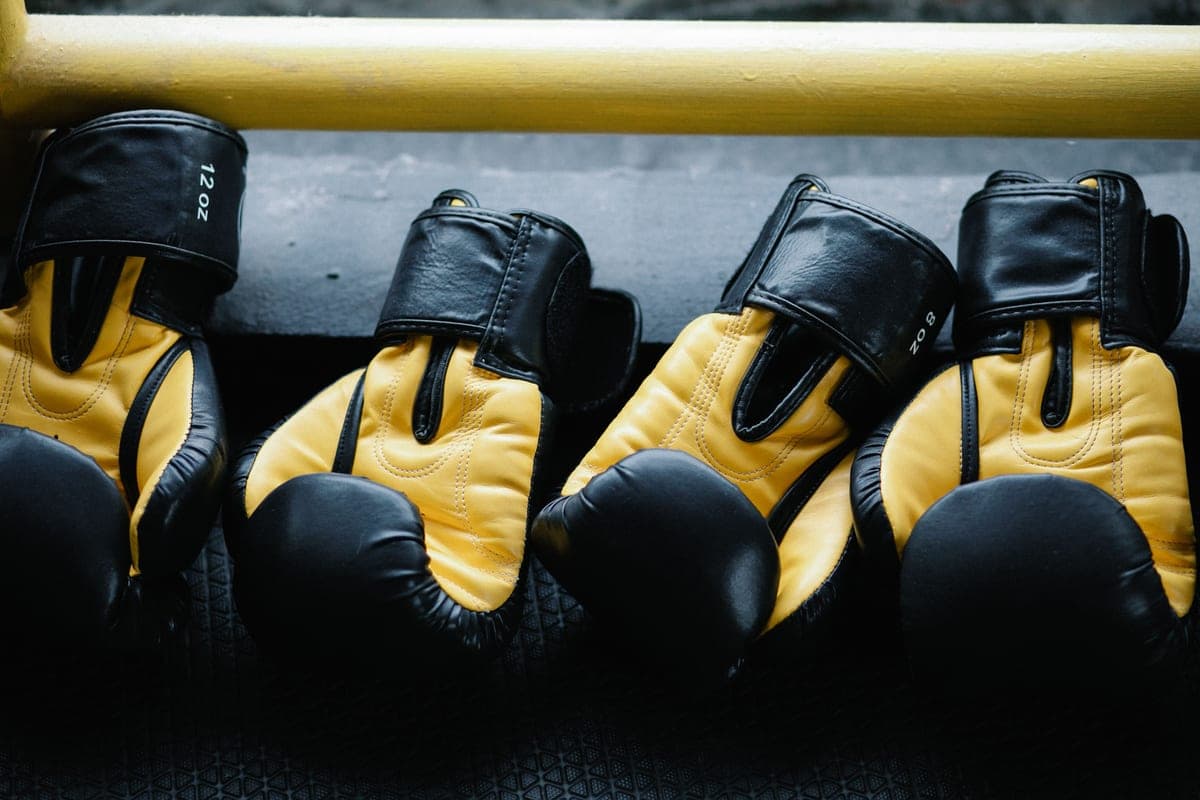
Boxing needs less gear, room and coordination; kickboxing adds shins, a longer bag and more space.
Comparison
Three kit tiers — budget, standard, buy-once — item by item, and where the money actually goes.
Guide
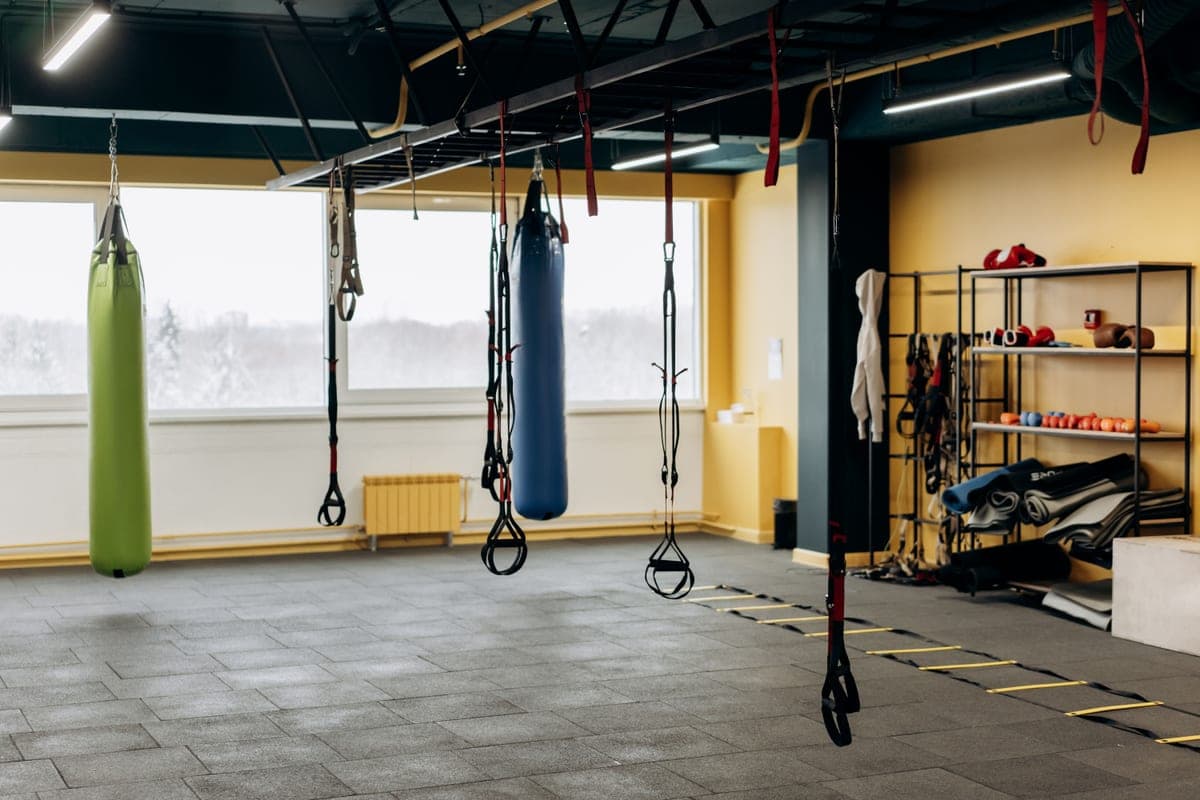
The floor plan with the car, the swing circle, the joist check, flooring, and the four essentials.
Guide
A no-equipment first week, the buying order, and the first month with a bag.
Guide
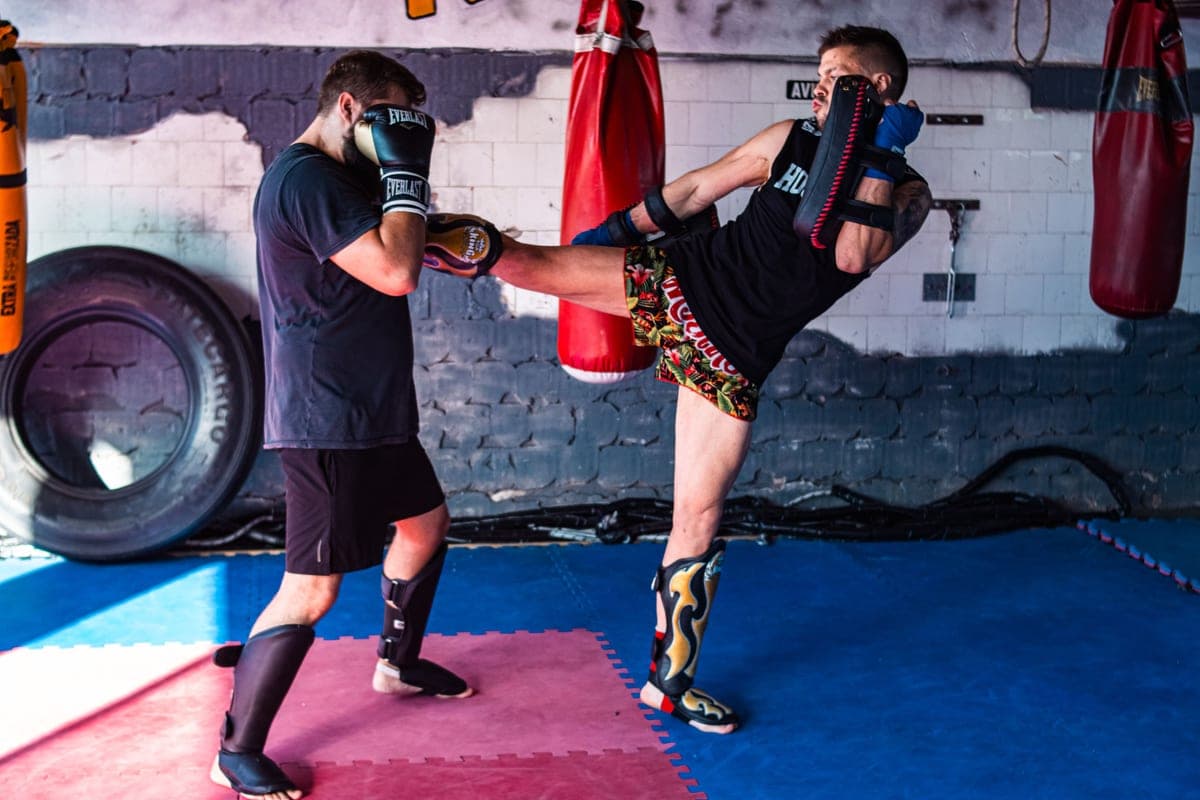
Shin guards, a longer bag, a stronger mount, optional Thai gloves — the four additions, sized.
Guide
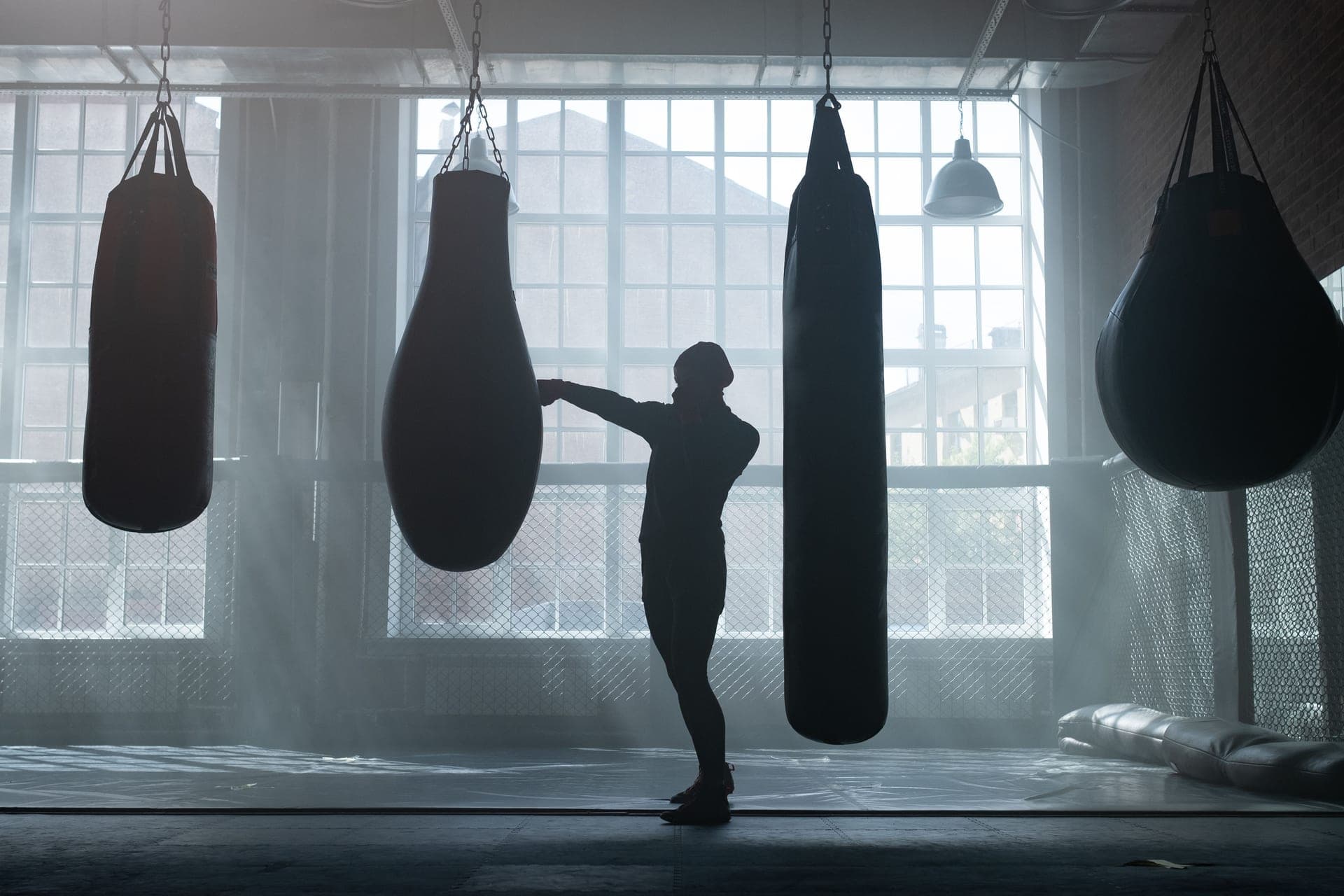
Ten rules coaches assume you know — hands, bag, mount, body, sparring — with the reason for each.
Guide
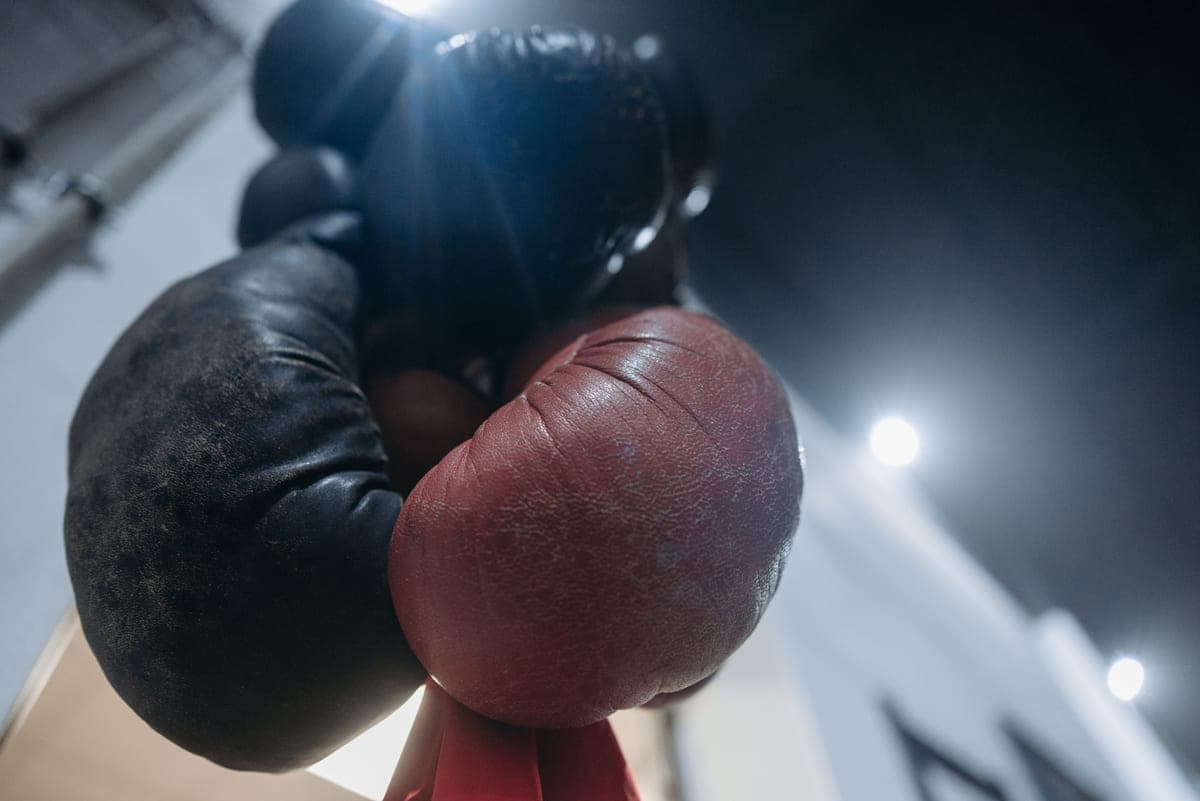
Gloves by weight, 120-inch wraps, a kid-height bag, a youth mouthguard — and what to skip.
Next step in your kit
Hub 02
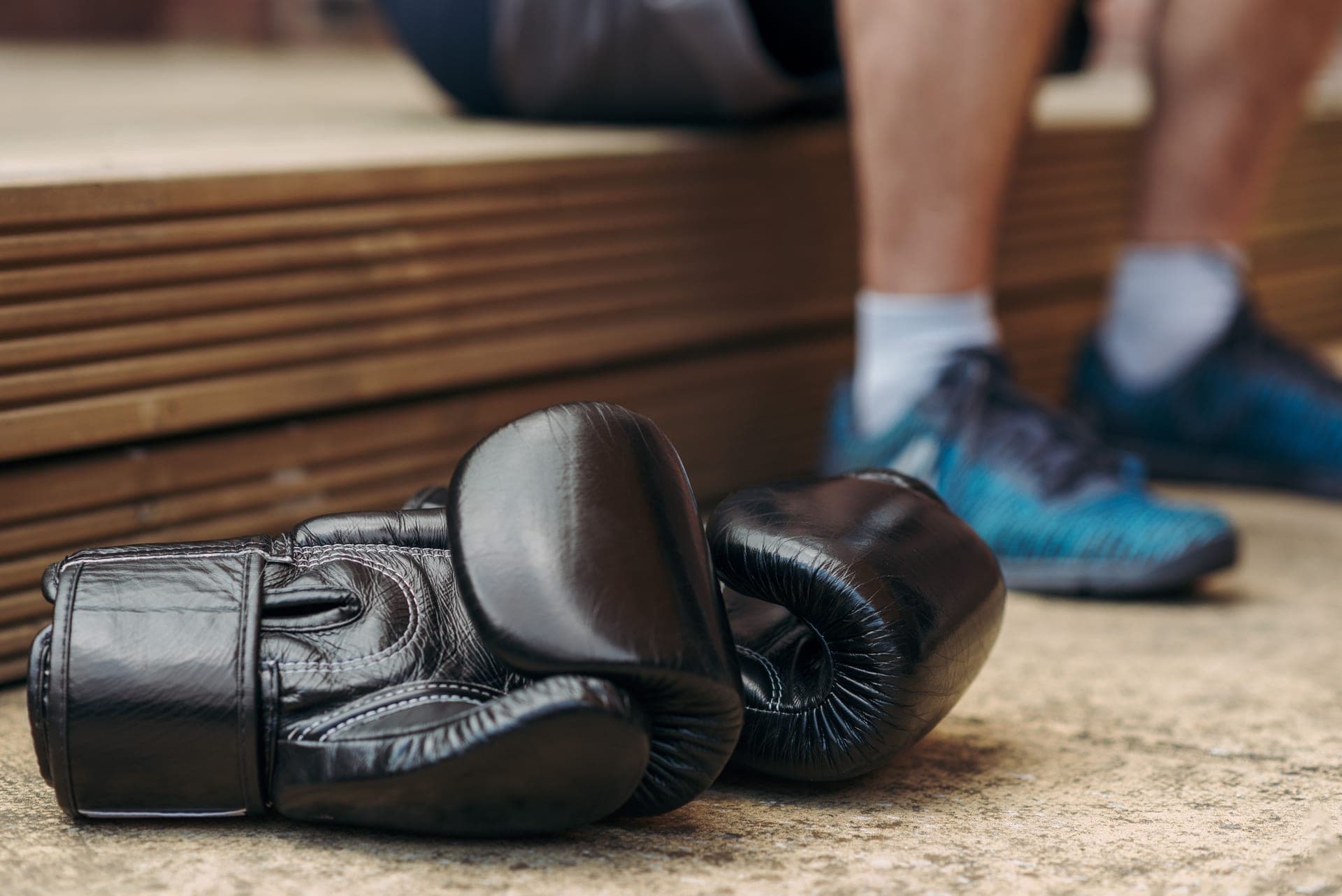
Gloves are the first thing you buy and the easiest thing to buy wrong. Here they are sized by body weight and by what you'll do in them — bag work, pad work, or sparring.
Hub 04
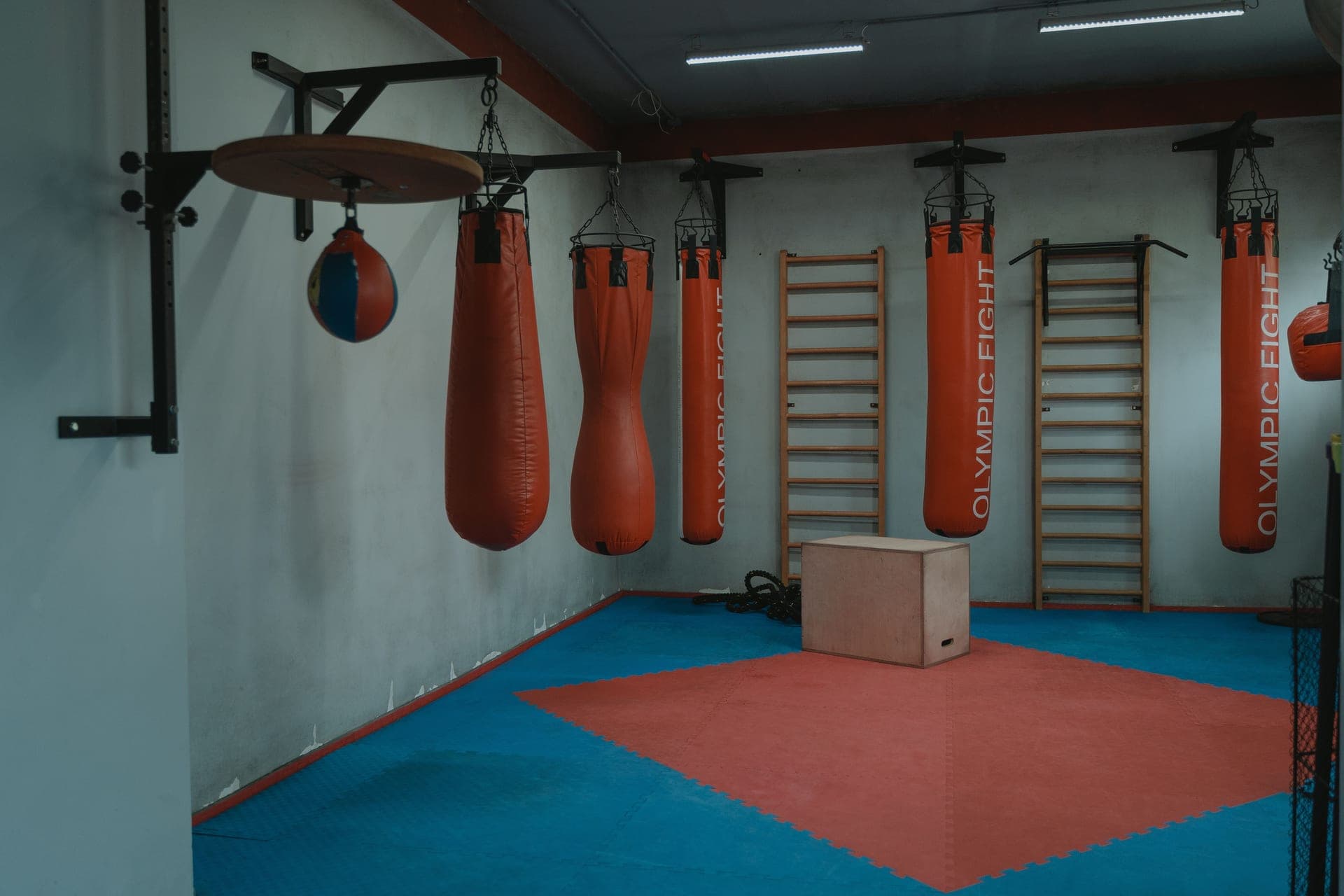
The bag decides everything else: how much room you need, whether you drill a ceiling or buy a stand, and how loud the garage gets. Start with the space, then pick the bag.