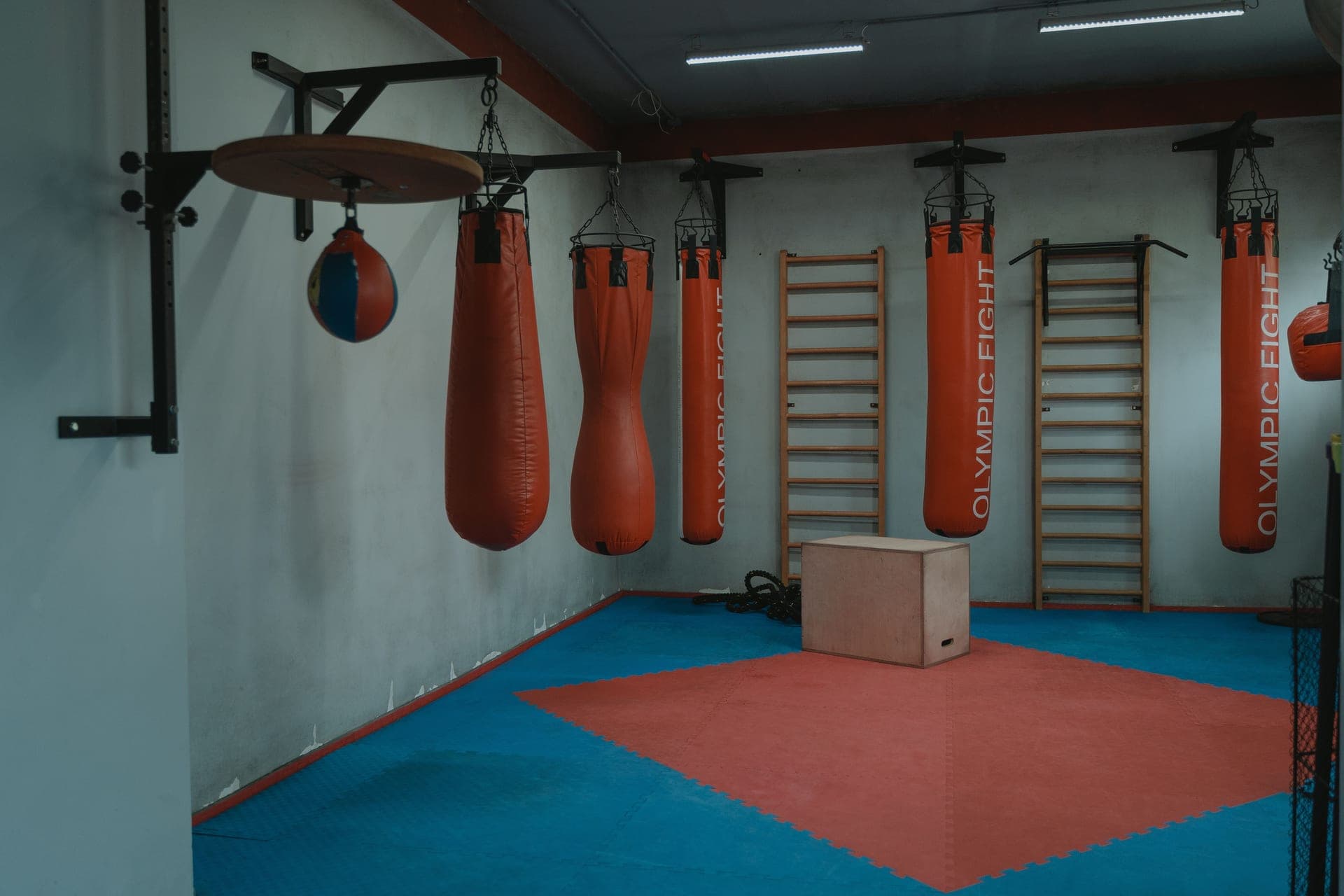
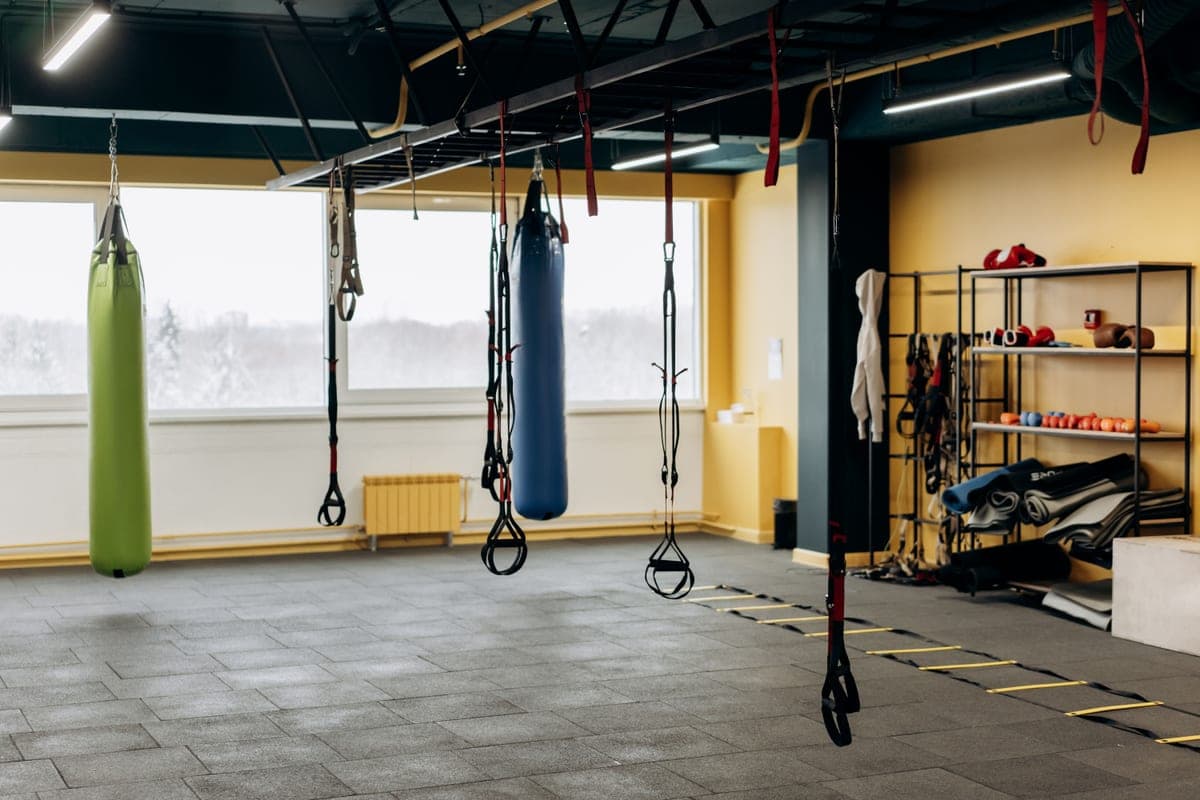
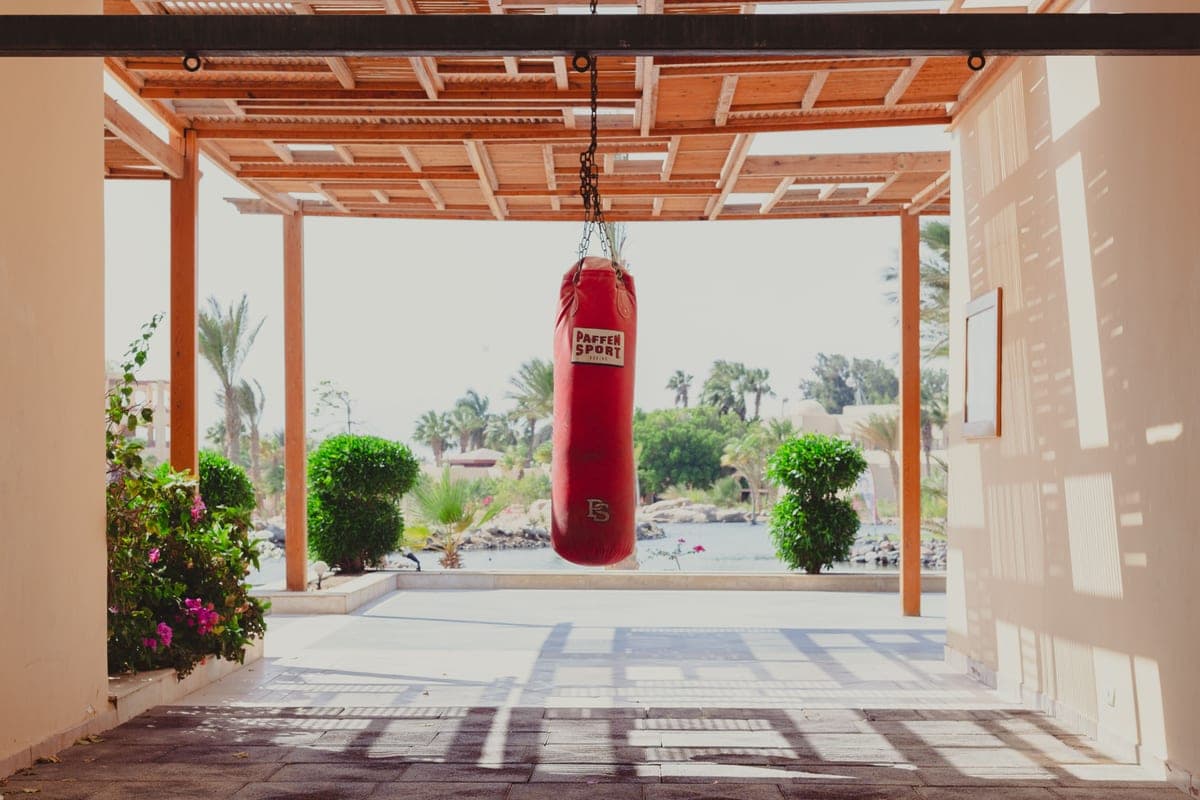
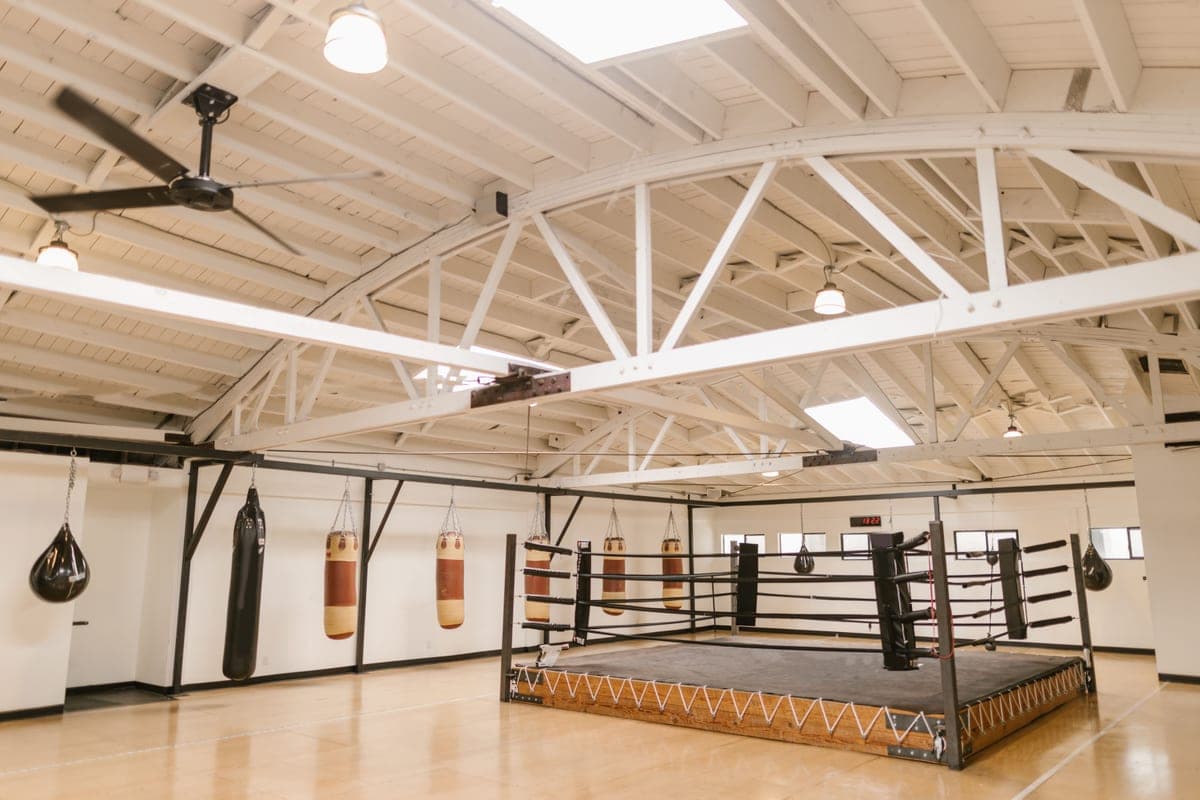
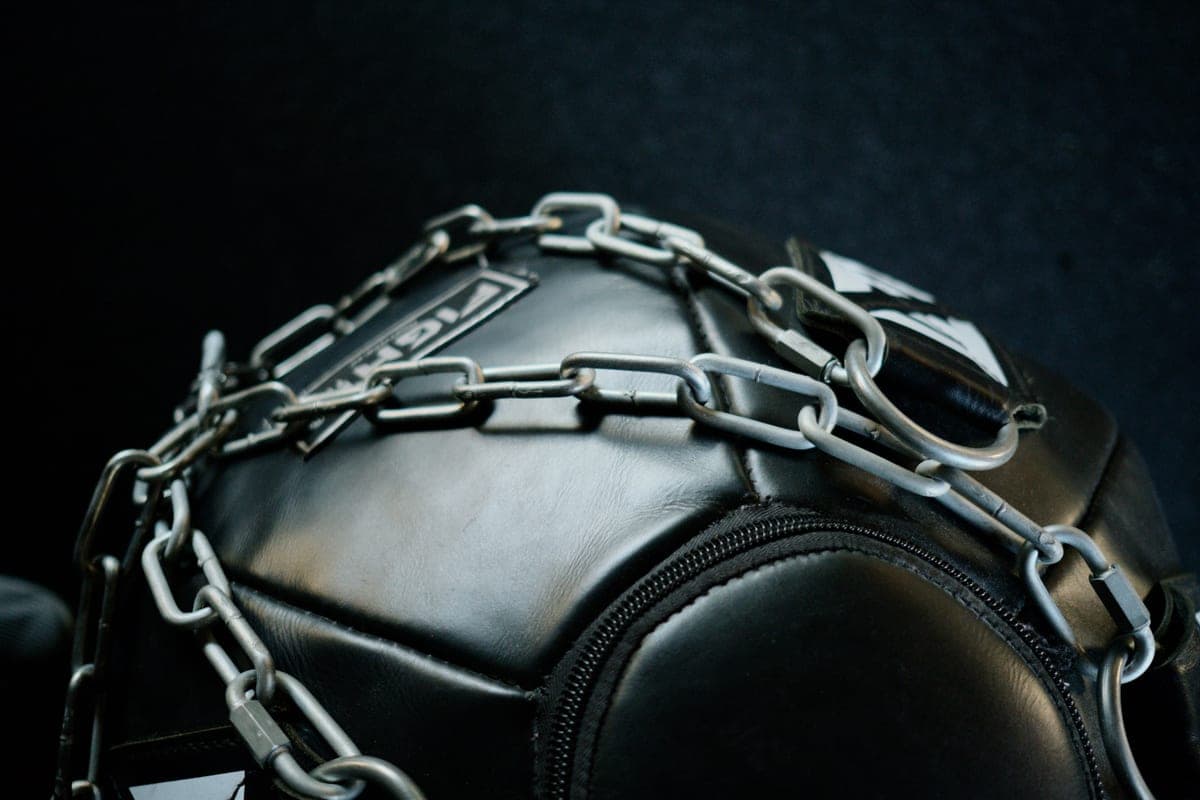
The bag decides everything else: how much room you need, whether you drill a ceiling or buy a stand, and how loud the garage gets. Start with the space, then pick the bag.
Bag & Bell is reader-supported. Product links go through our affiliate resolver and we may earn a commission from qualifying purchases at no cost to you. Prices are the retailer's and change — every button opens the live price on Amazon rather than showing a stale number.
Decide the space first
Before you compare bags, answer one question: can you hang something heavy from your ceiling? If you have an exposed joist or beam in a garage or basement, a hanging bag on a mount is the best-feeling and cheapest option. If you rent, have a finished drywall ceiling, or share walls, a freestanding bag or a stand is the answer. The freestanding vs hanging page is the decision, and stand vs ceiling mount is the next one if you go hanging.
Buy this first
For most adults, a 70 lb filled hanging bag is the right first bag; heavier bags swing less but punish bad wrists and need stronger mounting. What weight to get and 70 vs 100 lb cover the choice by body weight. The beginner roundup names the bags, and there are room-specific lists for a garage, an apartment, and a home gym.
How bags divide
Hanging heavy bags (60 to 100 lb, cloth or synthetic leather, filled) give the truest feel and need a mount or stand. Freestanding bags stand on a base you fill with water or sand; they move more, need no drilling, and are the apartment and kids' answer — the freestanding roundup. Stands hold a hanging bag without a ceiling (best stands). Mounts and hangers are the hardware that connects bag to joist, beam or wall (best mounts).
What decides price
Weight and filling. A filled 70 lb bag from a major brand is the baseline; 100 lb bags, leather shells, and bags shipped pre-filled with a shredded-textile fill instead of loose sand cost more and feel better. A stand costs about as much as a mid-range bag; a joist mount and swivel cost far less. Water-filled bags cost more up front and ship light. Freestanding bags are priced by base size — the bigger and heavier the base when filled, the less it walks.
The mistake beginners make
Hanging a bag from a drywall ceiling, a single lag screw, or a joist nobody checked. A swinging 70 lb bag loads its mount with far more than 70 lb. How to hang a heavy bag walks through finding the joist, the rated hardware, and the cases where the right answer is a stand. The second mistake is hitting the bag bare-knuckle in week one — this page explains why not, and what the cheap fix is.
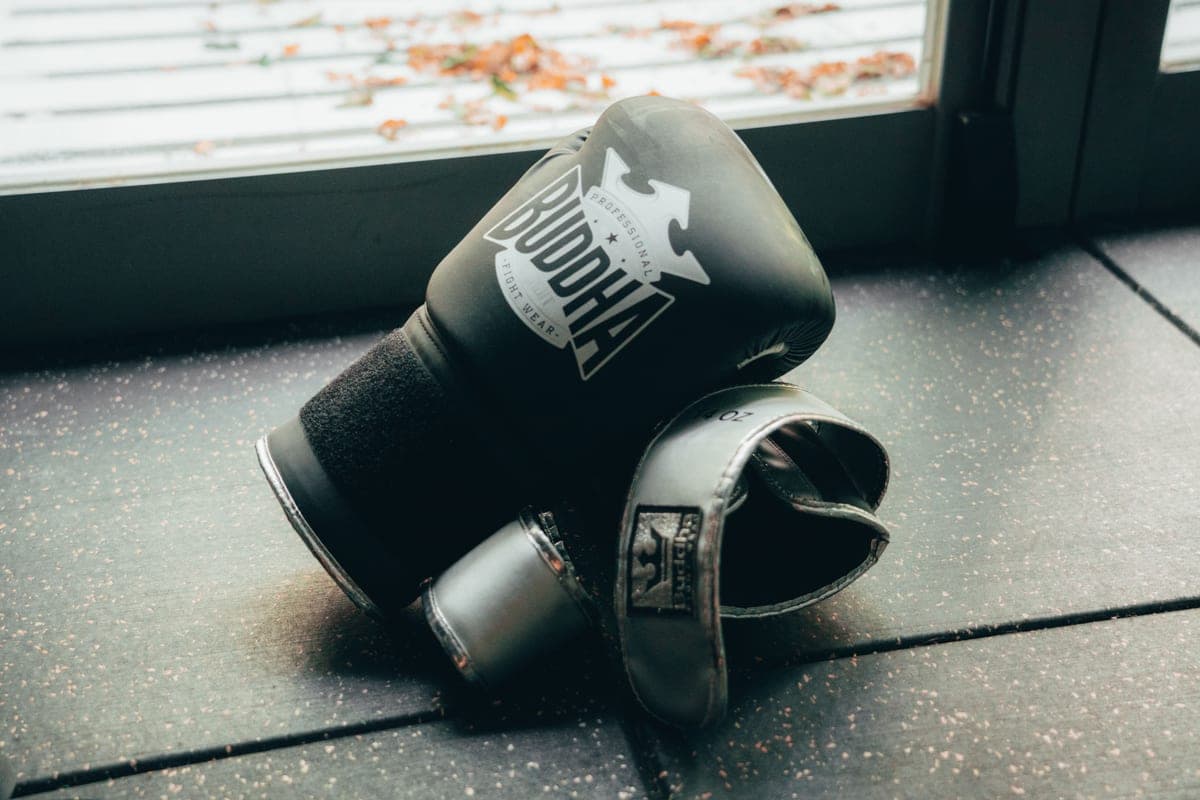
Gloves are the first thing you buy and the easiest thing to buy wrong. Here they are sized by body weight and by what you'll do in them — bag work, pad work, or sparring.
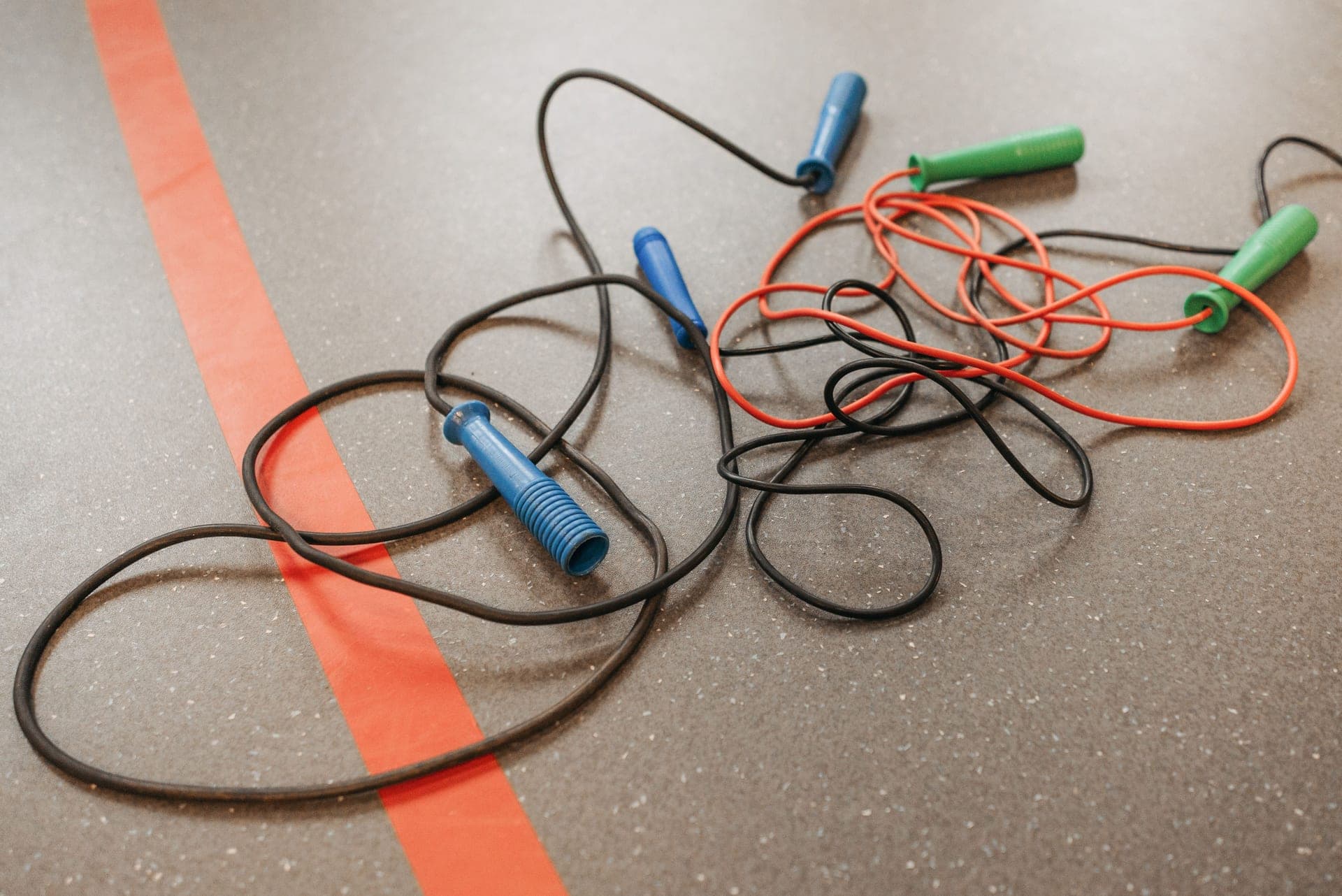
A rope and a timer are the cheapest items in your kit and the two that turn a bag in a garage into an actual workout. Which to buy, how to size them, and how to set the rounds.